 Elmer
Elmer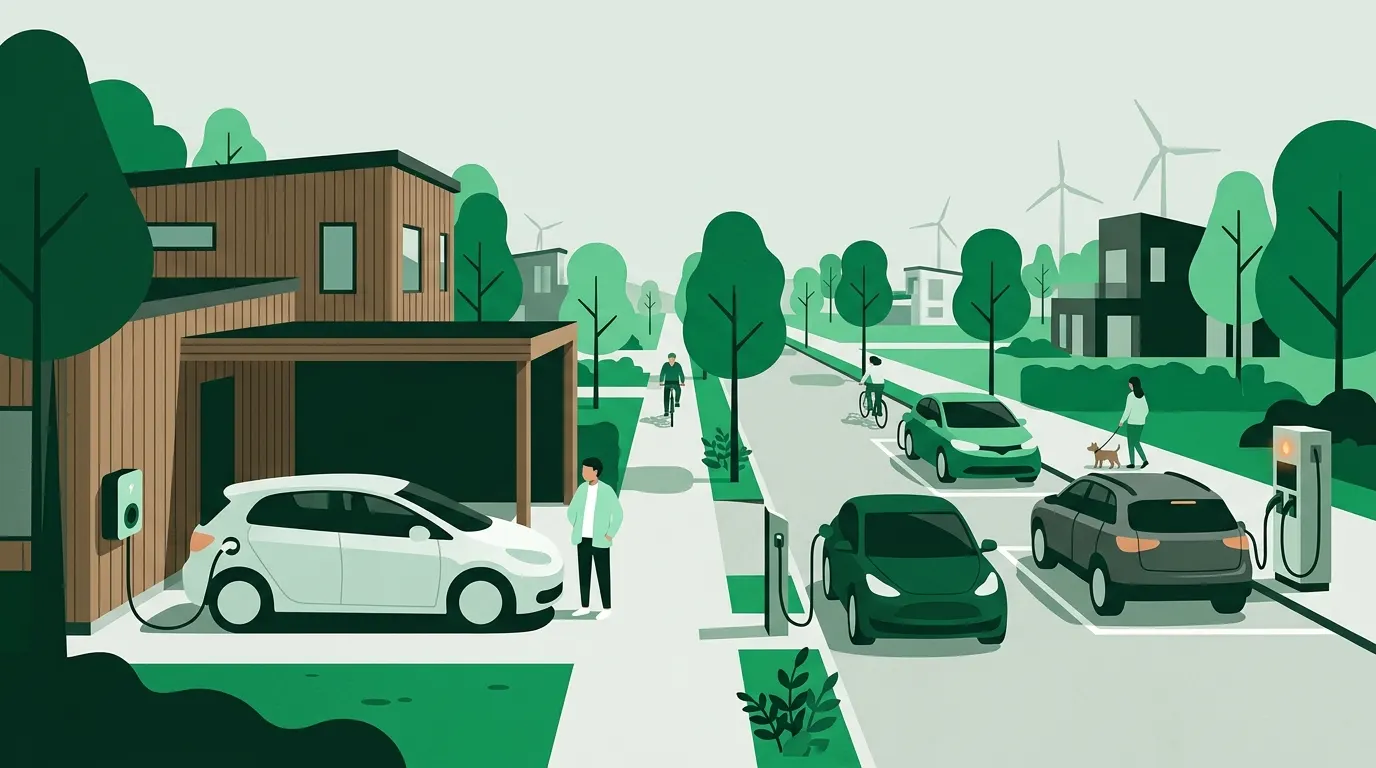
Home charger, street charger or rapid charger?
There are three kinds of chargers, and each suits a different situation. Use them the right way and you pay the least.
Home charger
A home charger (ladeboks) typically supplies 11 kW AC. It fills an average battery from 10 to 80% in 4–6 hours, so overnight. The electricity costs the same as in the rest of the house plus a small surcharge, and it is cheapest at night. No other way of charging is as cheap.
Street and destination chargers
Chargers on the street, in car parks and at shops also supply AC, typically 11 or 22 kW. Many cars can only take 11 kW, even if the charger can deliver 22. The price is higher than at home, but often lower than at a rapid charger. The car needs to stay there for a couple of hours.
Rapid charger
Rapid chargers send DC straight into the battery, from 50 to over 300 kW. Going from 10 to 80% typically takes 20–40 minutes, depending on the car. It is the most expensive way to charge. But it is the only one that fits a short break on a long trip.
 EV charging basics: what you need to know
 Which home EV charger is right for you?
 Long EV road trips in Denmark
 Which EV charging cables do you need?